

Puppy nutrition is an important topic that requires special attention. In this article, we will examine the use of cow’s milk for feeding puppies and provide important points in this regard.
Cow’s Milk and Puppy Nutrition
Using Cow’s Milk for Feeding Puppies Feeding puppies is a vital aspect of their growth and development, and choosing the most appropriate food for them can have a great impact on their health and proper growth. Among the common foods used to feed puppies is cow’s milk. This food is a rich source of protein, fat, and other nutrients that can help puppies grow and develop healthily.
Using cow’s milk to feed puppies is an old and trusted method in many societies. Due to its rich nutritional composition, this food can meet the basic nutritional needs of puppies and help them grow strong and healthy. Below are some of the benefits and notable cases of using cow’s milk to feed puppies.(Advantages and disadvantages of spaying a female cat)
Key Points Table
| Category | Key Point | Details / Rationale | Recommendation |
|---|---|---|---|
| Suitability | Not Ideal | Nutritional composition differs from dog’s milk; higher lactose can cause digestive issues. | Avoid as a primary food source. |
| Risks & Issues | Lactose Intolerance | Puppies lack the enzyme to digest high lactose levels, leading to diarrhea and bloating. | Monitor for digestive problems. |
| Nutritional Imbalance | Lower in fat and protein than mother’s milk; does not fully meet a puppy’s needs. | Not a complete nutritional substitute. | |
| Usage (If Necessary) | Dilution | If used, mix cow’s milk with water to reduce lactose concentration. | Use only as a temporary emergency solution. |
| Monitor Health | Watch for signs of digestive distress (diarrhea, bloating, restlessness). | Discontinue use and consult a vet if issues arise. | |
| Better Alternatives | Commercial Milk Replacer | Specially formulated to match the nutritional profile of a dog’s mother’s milk. | The best and safest choice for orphaned puppies. |
| Homemade Replacers | Can be made from goat’s milk, egg yolk, and oils (with vet guidance). | A better alternative than plain cow’s milk if commercial options are unavailable. |
Differences in the composition of cow’s milk and mother’s milk
One of the main questions raised about feeding puppies with cow’s milk is the difference in the composition of cow’s milk and mother’s milk. Mother’s milk has higher amounts of fat and protein, which are essential for the proper growth and development of puppies. On the other hand, cow’s milk contains more lactose, which may not be easily digestible for puppies.
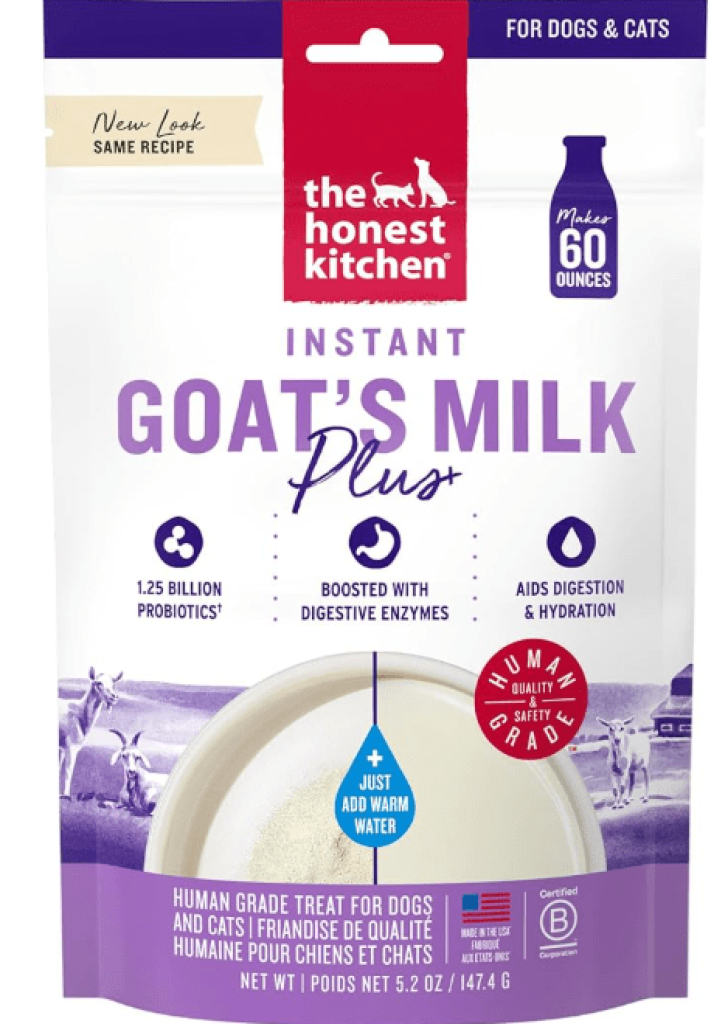
| Feature | Benefit | Usage |
|---|---|---|
| Probiotics & Digestive Enzymes | Supports healthy digestion, immune system, and overall wellness for dogs and cats. | Add as a nutritional booster to regular pet food. |
| Versatile & Palatable | A delicious liquid that can be served alone, used to soften dry food, or frozen into treats. | Rehydrate with water. Use to make homemade treats or rehydrate meals. |
| High-Quality & Safe | Made with human-grade ingredients in the USA, ensuring high standards of safety and quality. | Can be given with confidence to pets of all ages. |
| Concentrated Powder | A shelf-stable powder that is economical and easy to store; one container makes over 60oz of liquid milk. | Simply mix with water to create a fresh serving of goat’s milk. |
Lactose digestion in puppies
Puppies are naturally less able to digest lactose than calves. This can lead to digestive problems such as diarrhea and bloating in puppies. Therefore, using cow’s milk to feed puppies may cause digestive problems.(Important tips for feeding street cats)
Advantages and Disadvantages of Using Cow’s Milk for Puppies
Advantages
- Easy Access: Cow’s milk is readily available and can be used as a temporary food source in emergencies.
- Affordable: Cow’s milk is typically less expensive than puppy milk.
Disadvantages
- Digestive Problems: As mentioned, the lactose in cow’s milk may cause digestive problems in puppies.
- Incompatibility of Nutritional Composition: Cow’s milk has a different nutritional composition than a dog’s mother’s milk, which may not fully meet the nutritional needs of puppies.
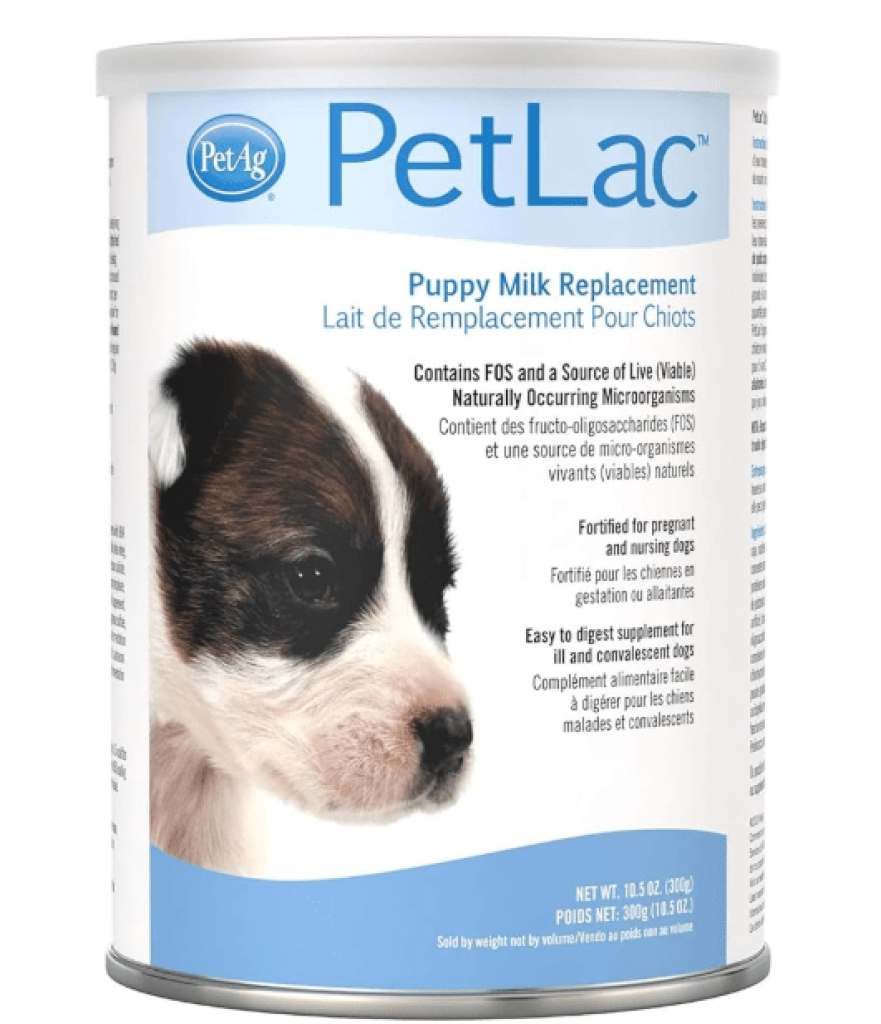
| Feature | Benefit | Usage & Instructions |
|---|---|---|
| Complete Nutrition | Provides all essential vitamins, minerals, and amino acids for proper growth in newborn to 6-week-old puppies. | Ideal for orphaned, rejected, nursing, or weaning puppies. |
| Easy Digestion | Highly palatable and contains prebiotics and probiotics to support gut health and easy digestion. | Formulated to be gentle on a puppy’s sensitive stomach. |
| Trusted Brand | Made by PetAg, a leader in pet wellness with science-backed formulas for pet health. | Ensures quality and reliability for essential puppy care. |
| Preparation & Storage | Easy to mix with warm water. The powder is shelf-stable until opened. | Mix 1 tbsp powder with 2 tbsp warm water. Refrigerate opened powder for up to 3 months or freeze for 6 months. |
Important points in using cow’s milk to feed puppies
Amount and method of feeding
If for any reason you have to use cow’s milk to feed puppies, you should pay special attention to the amount and method of feeding. The amount of milk should be proportional to the weight and age of the puppies, and it is better to mix cow’s milk with water to reduce the amount of lactose.(10 of the best blankets of dogs)
Monitoring the health of puppies
After starting to feed puppies with cow’s milk, you should carefully monitor their health and digestive status. If any digestive problems such as diarrhea, bloating or restlessness occur, you should immediately see a veterinarian.
Suitable alternatives to cow’s milk
Commercial milk substitutes
There are special commercial milk substitutes for feeding puppies, the composition of which is closer to the dog’s mother’s milk. These milks contain the right amounts of protein, fat, and minerals to meet the nutritional needs of puppies.
Making Homemade Milk Replacers
If you don’t have access to commercial milk replacers, you can make homemade milk replacers. These milks are usually made from a combination of goat’s milk, egg yolk, and vegetable oils. Preparing these types of milks requires care and consultation with a veterinarian.
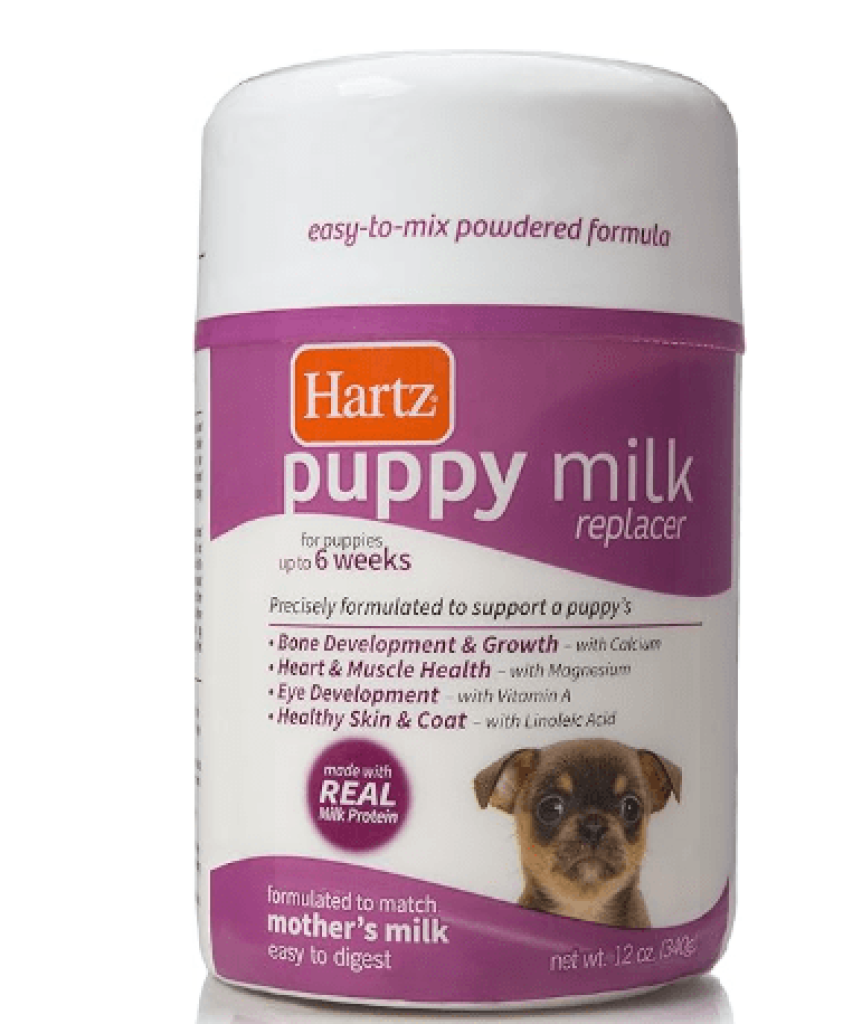
| Aspect | Key Features | Purpose & Use |
|---|---|---|
| Nutritional Profile | Precisely formulated to mimic mother’s milk. Enriched with calcium, magnesium, Vitamin A, and linoleic acid. | Supports overall growth, bone development, heart health, vision, and a healthy skin/coat in puppies. |
| Primary Use | A complete meal replacement for newborn puppies during the first 6 weeks. | Provides balanced nutrition for orphaned or rejected puppies to ensure proper development. |
| Versatility | Can also be used to nourish pregnant and nursing mother dogs, and to support convalescing dogs. | Offers extra nutrition for dogs with higher caloric demands during specific life stages or recovery. |
| Convenience | Powder blends easily with room temperature water for on-demand feeding. | Simplifies the feeding process without the need for heating or complicated preparation. |
Using Cow’s Milk to Feed Puppies
Feeding puppies with cow’s milk can be used as a temporary solution in emergencies. However, you should pay attention to the differences in the composition of cow’s milk and a dog’s mother’s milk and consider possible digestive problems. The best solution is to use commercial milk replacers or prepare homemade milk replacers in consultation with a veterinarian.

