
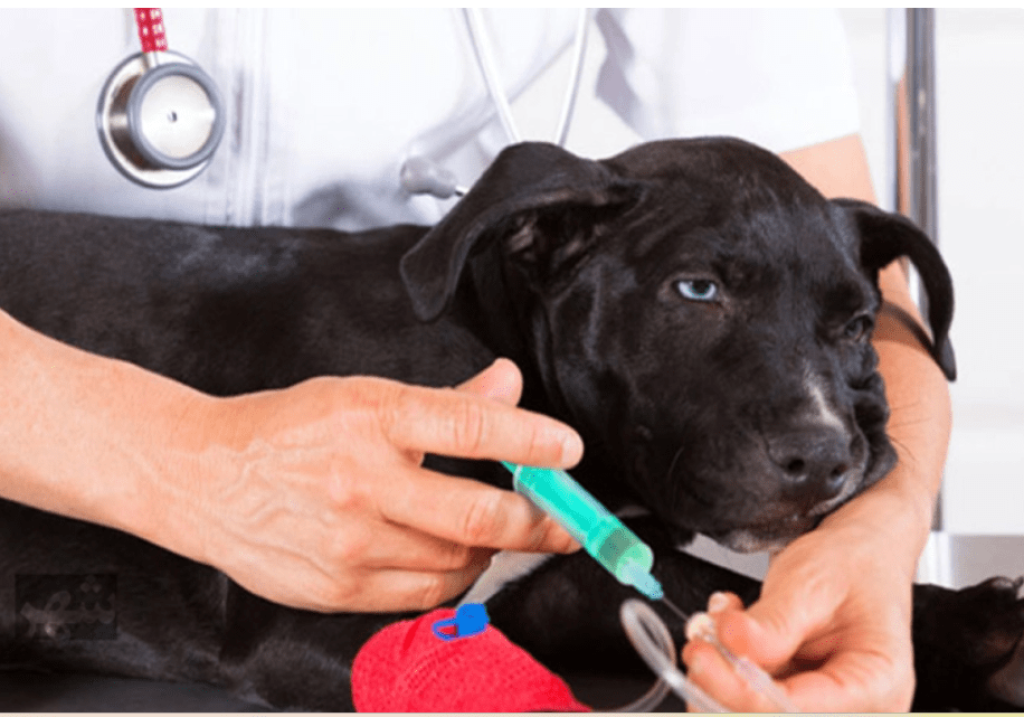
Canine parvovirus disease and its symptoms, Canine parvovirus was first identified in 1978 as a new infectious virus in dogs and is seen in canine hemorrhagic gastroenteritis, which has a high mortality rate. About three years after the discovery of the virus, its vaccine was prepared and used.
The most common form of this virus is inflammation and infection of the small intestine, which is accompanied by discomfort, depression, vomiting and dehydration of the animal. Some puppies die as soon as diarrhea appears, while others resist between 4-6 days. Those that survive up to 8 days usually survive. The destruction of blood cells and ulceration of the animal’s intestine cause secondary bacterial infections. It should be noted that many other bacteria and viruses can cause bloody diarrhea, and not all bloody diarrhea is due to parvovirus.
Most viral infections are clinically latent, and in dogs that develop clinical disease, vomiting and diarrhea are the first signs to appear, usually lethargic, lethargic, and depressed. Fever is variable, but leukopenia is a consistent finding. Dogs that develop a mild form of the disease usually recover spontaneously after one to two days. In dogs that develop a more severe form of the disease, symptomatic and supportive treatment may be necessary. However, they usually recover after a period of 3 to 5 days. If vomiting persists and severe hemorrhagic diarrhea occurs, the prognosis is poor and such dogs may die; some dogs may die suddenly within 24 hours of the onset of clinical signs. The fatal and acute form of the disease occurs in young puppies, and if the infection occurs before the age of 8 weeks, some develop myocarditis.(Benefits of Using Dry Food for Dogs and Cats)
Introduction to Canine Parvovirus Disease
Canine parvovirus disease is a common viral disease in dogs caused by the parvovirus group CPV-2. This virus is typically transmitted to dogs through the mucous membranes, feces, or tonsils of dogs. Canine parvovirus disease is especially dangerous in younger dogs with weak immunity, such as newborn dogs or dogs that have not been vaccinated.
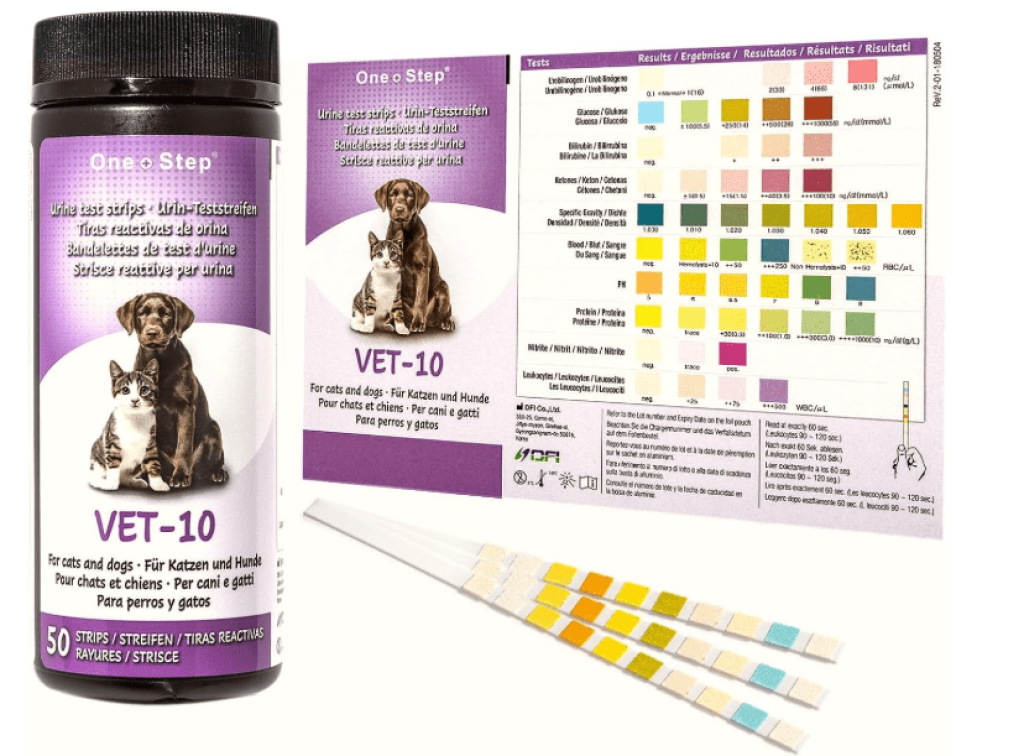
Symptoms of Canine Parvovirus
Severe Diarrhea and Vomiting
One of the main symptoms of canine parvovirus is severe diarrhea and frequent vomiting. These symptoms can increase in severity over several days, causing the dog to become malnourished and life-threatening.(Using cow’s milk to feed puppies)
Fever
Dogs with canine parvovirus may have a fever, which is usually accompanied by diarrhea and vomiting. The fever can be severe and, in some cases, can rise suddenly.
Weakness and Shivering
Dogs with canine parvovirus may show signs of general weakness, fatigue, and tremors. These symptoms may persist for some time and cause the dog to become lethargic, weak, and incapacitated.
Loss of Appetite
Dogs infected with canine parvovirus may not be interested in eating much. Loss of appetite is another symptom of the disease, which can lead to malnutrition and weakness in the dog.
Respiratory Symptoms
Some dogs with canine parvovirus may also have respiratory symptoms, including coughing, rapid breathing, and shortness of breath.
Neurological Symptoms
In some cases, canine parvovirus can be accompanied by neurological symptoms, including seizures and movement disorders.
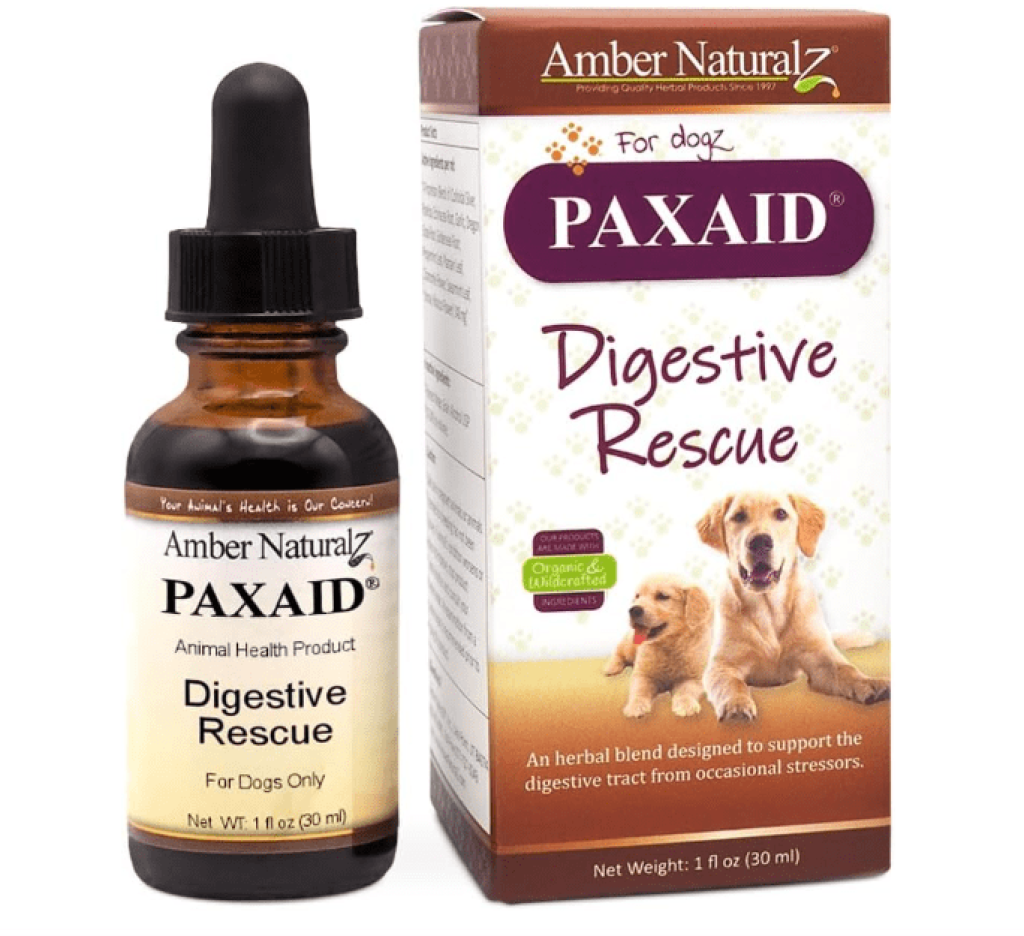
Prevention of canine parvovirus
Ensure your dog is vaccinated on schedule to maintain immunity.
Keep young or unvaccinated dogs away from unknown or sick dogs.
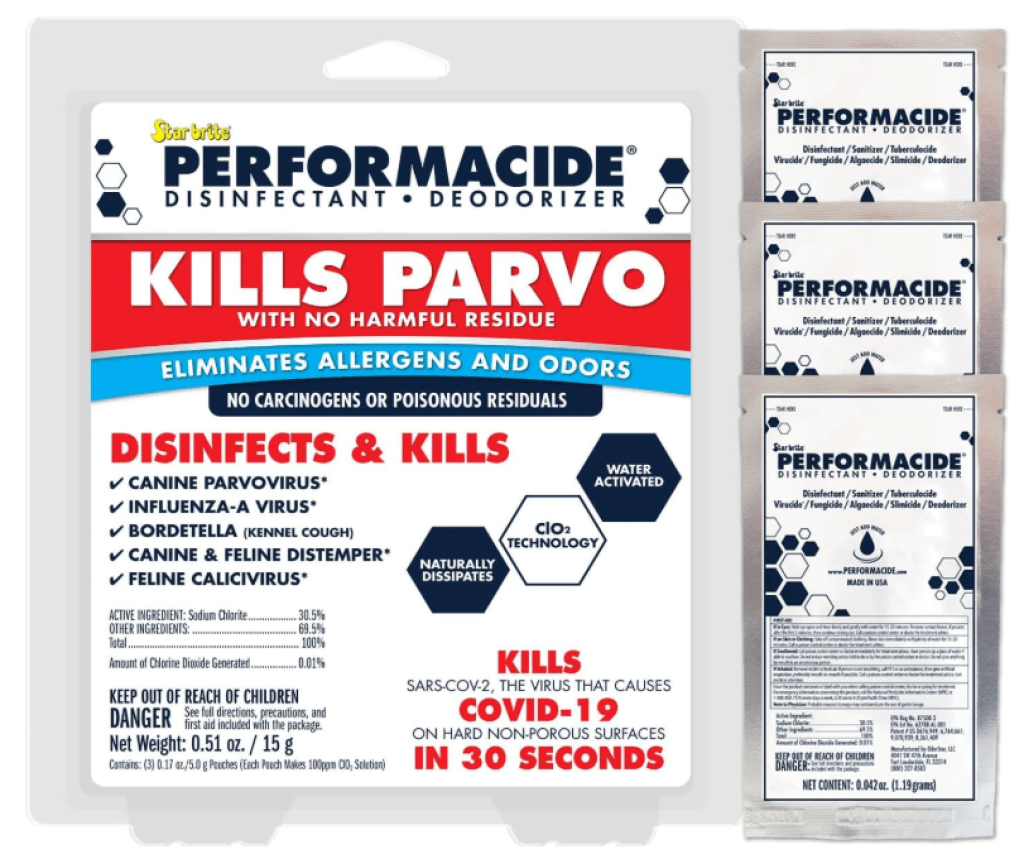
Clean the dog’s environment, avoid feces from other dogs, use disinfectants.
Vaccination
The best way to prevent canine parvovirus is to vaccinate your dog regularly. Vaccinations should be done regularly and on time to maintain your dog’s immunity to the disease.
Avoid contact with infected dogs
Avoiding contact with dogs with canine parvovirus can also be an important way to prevent the spread of the disease. Younger, unvaccinated dogs in particular should avoid contact with unknown dogs.
Careful Hygiene
Maintaining proper hygiene and sanitation for dogs can also be effective in preventing canine parvovirus. This includes cleaning the dog’s environment, avoiding contact with other dogs’ feces, and using disinfectant products.
Treatment for canine parvovirus
Treatment for canine parvovirus depends on the severity of the disease and the dog’s general condition. Basic treatment for the disease includes maintaining fluid and electrolyte balance, fighting secondary infections, controlling vomiting and diarrhea, and maintaining the dog’s immunity.
Canine parvovirus is a dangerous viral disease that can quickly affect unvaccinated or younger dogs. If your dog shows signs of canine parvovirus, you should see a veterinarian immediately.
(Strategies to prevent the impact of polluted air on pet health)


